Tips to Maximize Your Home Value in San Francisco: 2026 Seller's Guide
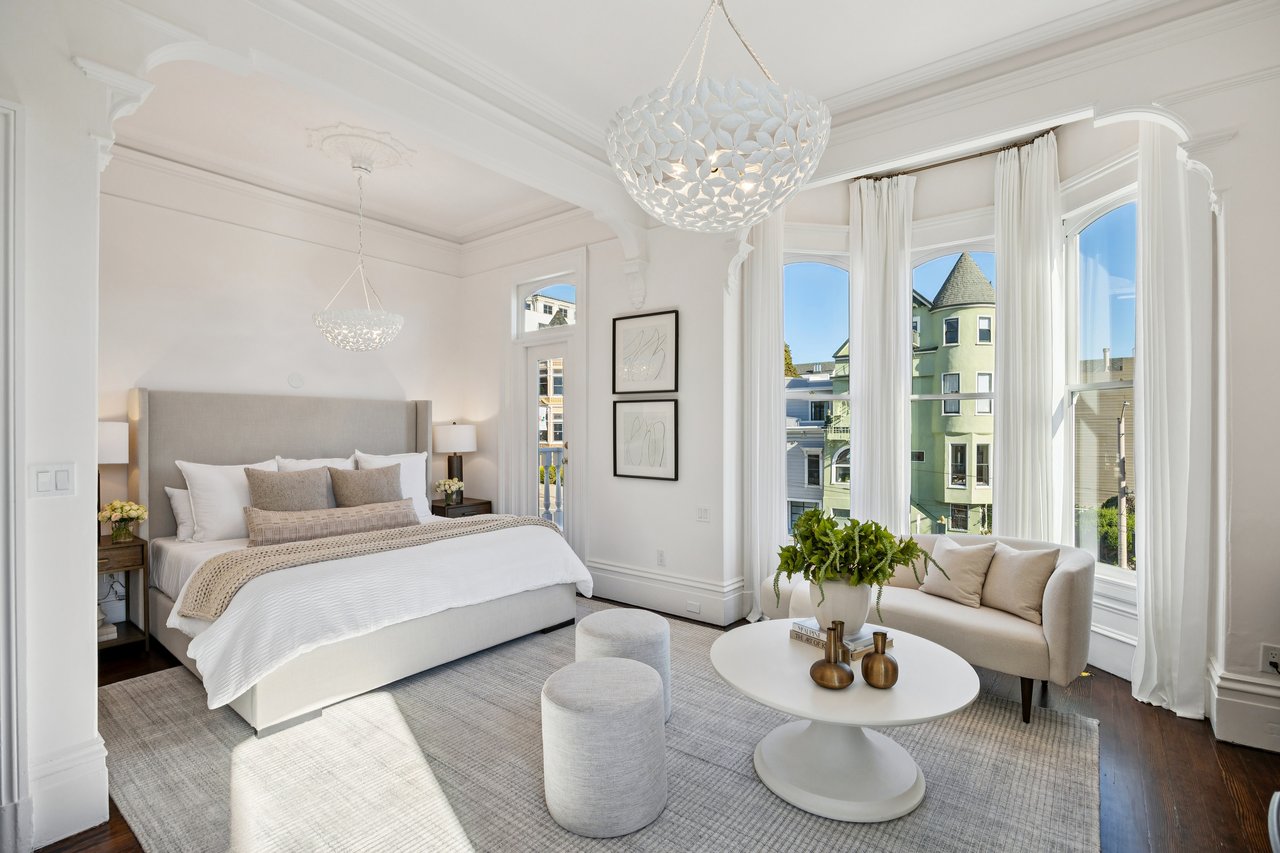
Selling a home in San Francisco in 2026 requires more than just a "For Sale" sign. With a more discerning buyer pool and a market fueled by the AI boom, homeowners must be strategic to command top dollar. Maximizing your home value is about understanding the specific features that drive competition in the Bay Area and making targeted improvements that offer the best return on investment.
The good news is that you do not need to spend a fortune to make a meaningful difference. The most effective sellers in today's market are those who focus on the right improvements, present their home thoughtfully, and price it accurately from the start. This guide walks you through the most impactful steps you can take before listing your San Francisco home.
First Impressions Matter: Curb appeal and entryway updates set the tone for the entire showing and can increase perceived value instantly
Smart Tech and Efficiency: San Francisco buyers increasingly prioritize energy-efficient systems and integrated smart home technology
Kitchen and Bath Focus: Minor to mid-range updates in these high-impact areas consistently yield the highest returns for sellers
You do not always need a full gut renovation to see a significant jump in value. In 2026, San Francisco buyers look for clean, functional, and sustainable kitchens. Replacing dated countertops with recycled glass or quartz, updating cabinet hardware, and installing energy-efficient appliances can transform the space without a major budget commitment.
Lighting is a critical factor that many sellers overlook. Swapping out old fixtures for modern LED pendants or under-cabinet lighting makes the kitchen feel larger and more inviting. If your cabinets are in good structural shape, a professional paint job in a warm neutral tone can provide a fresh look at a fraction of the cost of replacement.
For sellers with a larger budget, consider opening up the kitchen to an adjacent dining or living area. Open-concept layouts remain highly desirable in San Francisco, where square footage is at a premium. Even a partial wall removal can dramatically change how a space feels and how buyers perceive the home's value.
Bathrooms are the second most important room for buyers. Focus on high-visibility elements like the vanity, mirror, and lighting. A floating vanity can make a small San Francisco bathroom feel more spacious and modern. Replacing old faucets and showerheads with water-saving, high-design fixtures appeals to the city's eco-conscious buyer base.
If your tile is dated but in good condition, professional regrouting can make the space look new at a low cost. For a more significant impact, consider replacing a standard tub with a walk-in shower featuring a glass enclosure, which is a highly sought-after feature in the current market. Primary bathrooms with spa-like qualities, including heated floors, rainfall showerheads, and quality stone finishes, consistently command premium prices in San Francisco's competitive market.
Do not overlook secondary bathrooms either. Buyers evaluate every bathroom in the home, and a dated guest bath can undermine an otherwise strong showing. Simple updates like new mirrors, fresh caulking, and updated light fixtures go a long way.
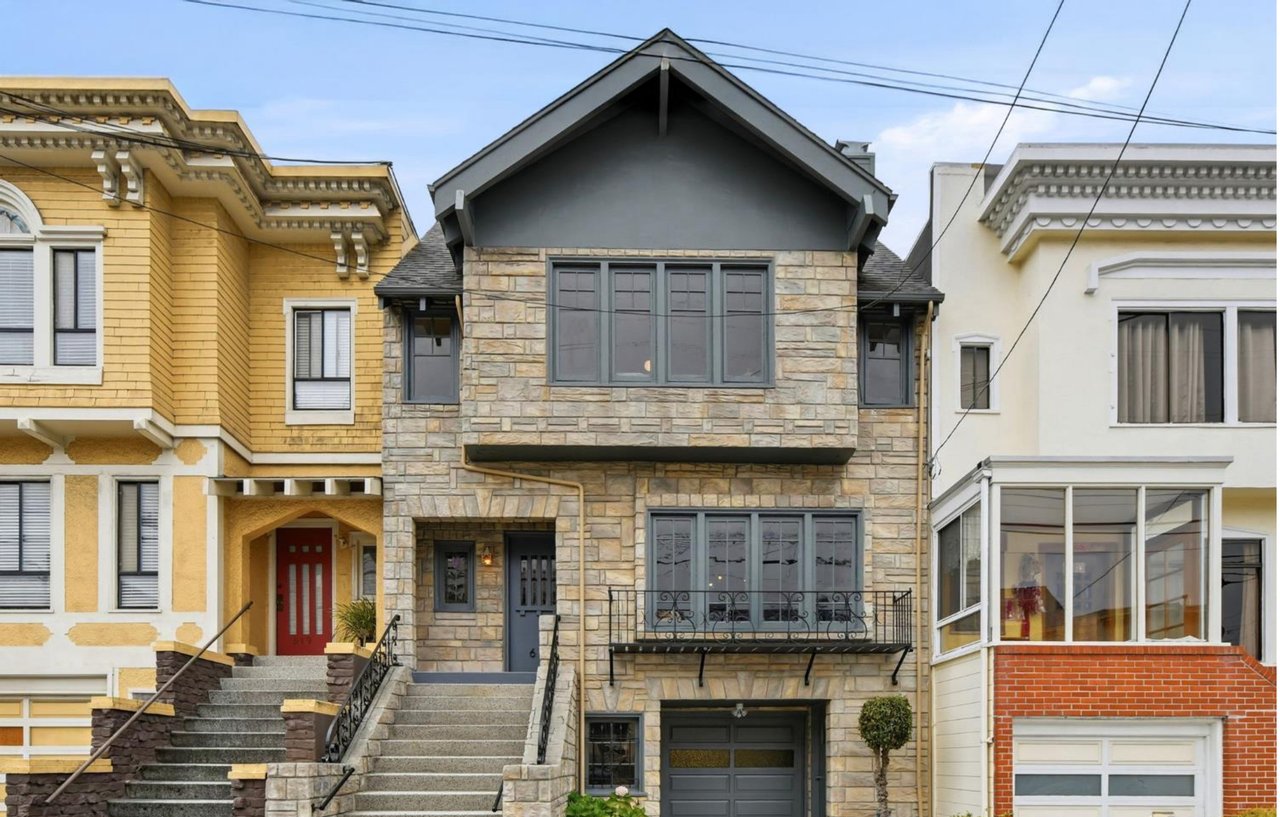
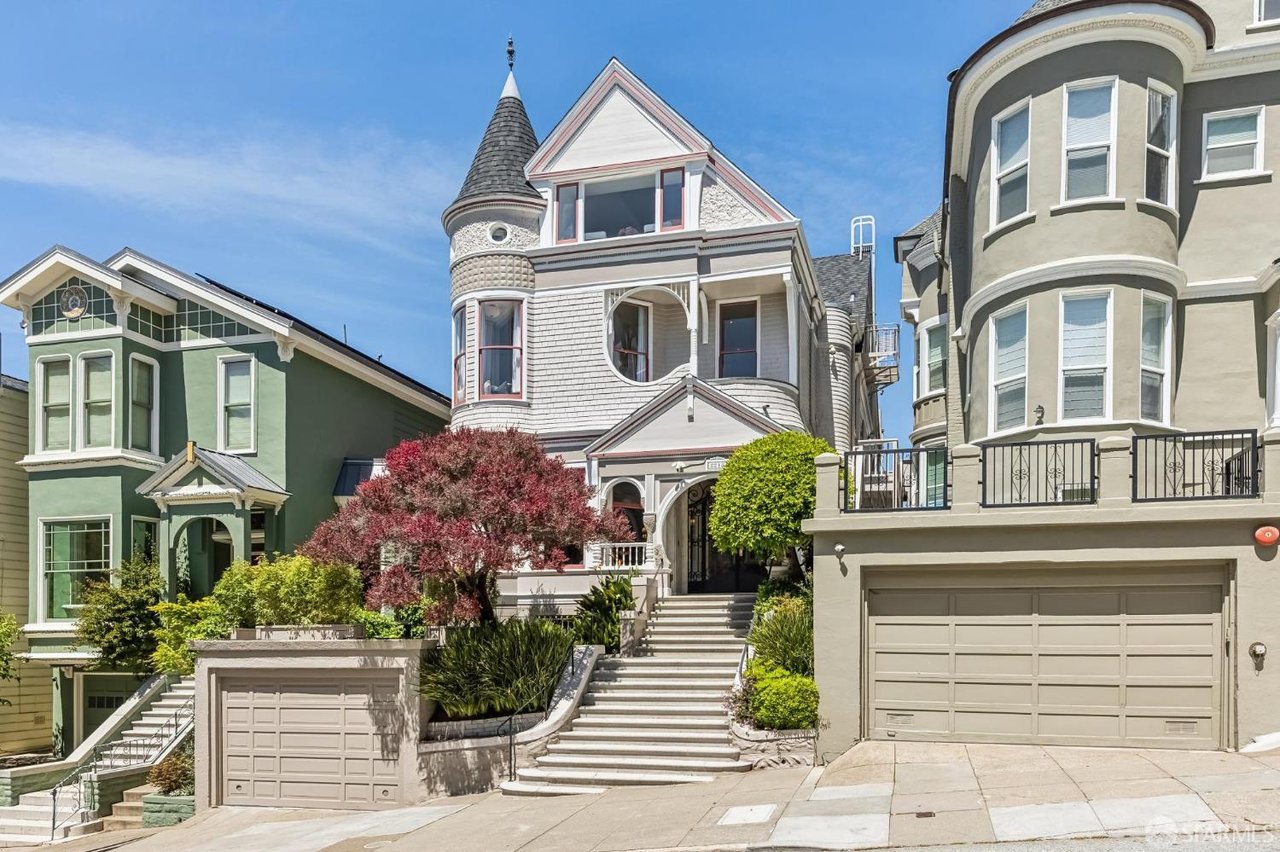
In a city where many homes are close together, your front entrance is your chance to stand out. A fresh coat of paint on the front door in a bold but sophisticated color can make a lasting impression. Ensure all hardware, including the house numbers and mailbox, is polished and modern.
Small landscaping touches like potted plants or a vertical garden can add life to a concrete entryway. If you have a Victorian or Edwardian home, ensuring the architectural details are clean and well-maintained is essential for preserving the "San Francisco charm" that buyers pay a premium for. Repainting the exterior trim, cleaning the facade, and repairing any visible damage signals to buyers that the home has been well cared for.
Lighting the entryway properly also matters. A well-lit front path and a stylish porch light create a welcoming atmosphere during evening showings and in listing photography.
Outdoor space is a luxury in San Francisco. Whether you have a small patio, a rooftop deck, or a backyard, make it feel like an extension of the living area. Staging these areas with comfortable seating, outdoor rugs, and string lights helps buyers envision themselves entertaining or relaxing outside.
If space allows, adding a small outdoor kitchen or a built-in fire pit can significantly increase the appeal of your home. Even simple improvements like power washing the deck, repainting a fence, and adding fresh mulch to garden beds can make a noticeable difference in how the property is perceived.
For homes with rooftop access, investing in a proper deck with seating and planters can be one of the highest-return improvements available. Views of the city or the bay are a major selling point, and a well-designed rooftop space allows buyers to fully appreciate that asset.
Buyers in 2026 expect a certain level of technological integration. Installing a smart thermostat, video doorbell, and smart locks provides convenience and a sense of security. If your home has older wiring, ensuring it is upgraded to handle high-speed internet and multiple devices is a major selling point for tech professionals who make up a significant portion of San Francisco's buyer pool.
Whole-home audio systems, automated window shades, and integrated lighting controls are features that resonate with luxury buyers. Even at more modest price points, buyers appreciate homes where technology has been thoughtfully incorporated rather than added as an afterthought.
With rising utility costs and a strong local focus on the environment, energy efficiency is a top priority for San Francisco buyers. Upgrading to double-pane windows, adding insulation, and installing a high-efficiency HVAC system are investments that buyers value and that can be highlighted prominently in your listing.
Solar panels are becoming a standard expectation in many San Francisco neighborhoods and can provide a meaningful competitive edge. Homes with solar often sell faster and at higher prices because buyers understand the long-term savings. If your home already has solar, ensure the system is well-maintained and that documentation is ready for disclosure.
Electric vehicle charging stations are also increasingly important. With California's push toward electric vehicles, a dedicated EV charger in the garage or driveway is a feature that resonates with a growing segment of buyers.
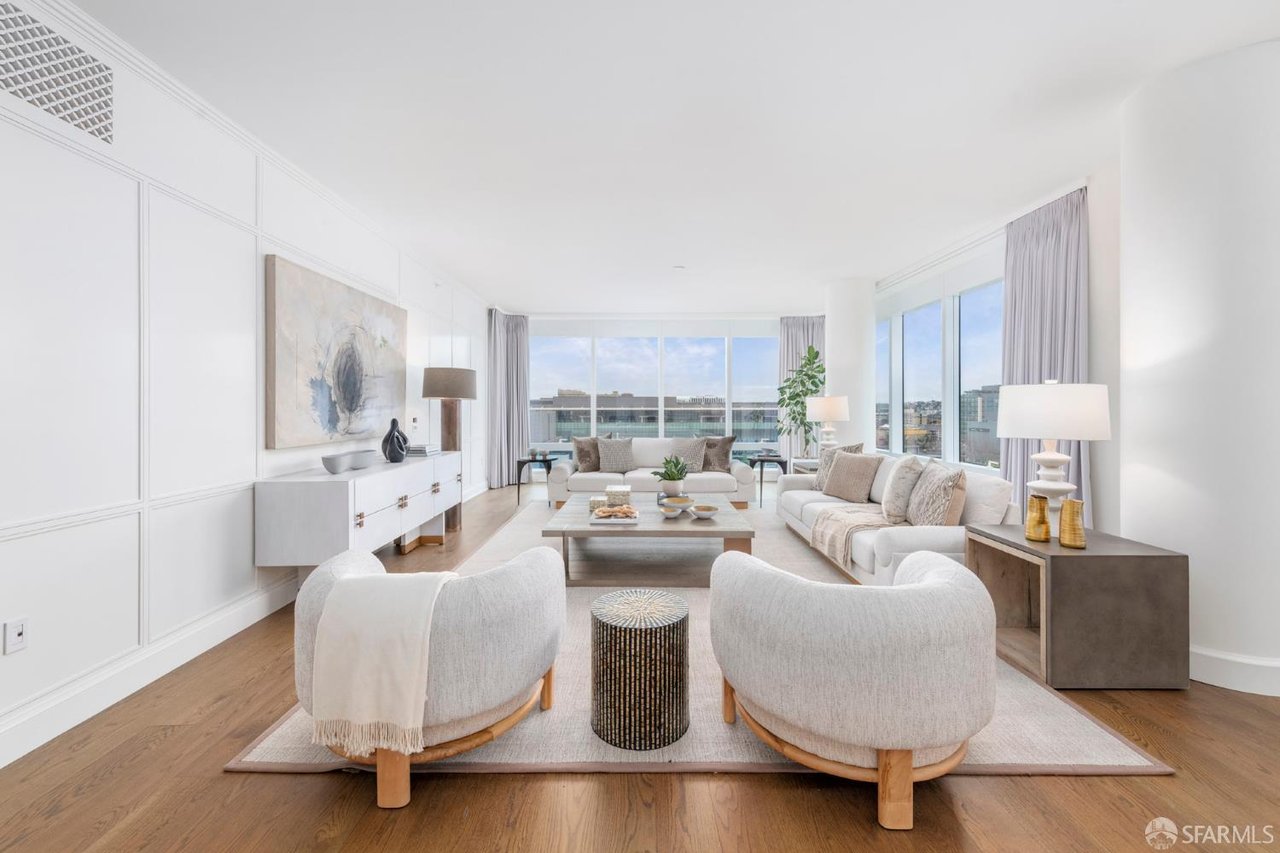
Professional staging is non-negotiable in the 2026 San Francisco market. A stager knows how to highlight your home's strengths and minimize its weaknesses. They use furniture and decor that complement the architectural style of the home while creating a neutral, aspirational environment that appeals to a wide range of buyers.
Decluttering and depersonalizing are the first steps. Remove excess furniture to create a sense of flow and space. Ensure every room has a clear purpose, especially if you have flexible spaces that could serve as a home office or a guest room. Buyers need to be able to picture themselves living in the space, and that becomes harder when a home feels crowded or overly personal.
High-quality professional photography and 3D virtual tours are essential for capturing the attention of buyers browsing online. The majority of buyers begin their search digitally, and your listing photos are often the first and most important impression you make.
Drone photography is particularly effective for San Francisco homes with views, outdoor space, or distinctive architecture. Video walkthroughs and interactive floor plans also help buyers understand the layout and flow of the home before they visit in person, which leads to more qualified and motivated showings.
Even the most beautifully prepared home will struggle if it is priced incorrectly. In 2026, San Francisco buyers are well-informed and quick to move on from listings that feel overpriced. Work with your agent to analyze recent comparable sales and understand where your home fits in the current market.
Strategic pricing, particularly in the single-family home segment, can generate multiple offers and drive the final sale price above asking. Homes that are priced to reflect today's market consistently outperform those that start high and require reductions.
|
Improvement Project |
Estimated ROI |
Buyer Appeal |
|
Minor Kitchen Remodel |
75-85% |
Very High |
|
Bathroom Update |
65-75% |
High |
|
Energy Efficiency Upgrades |
80-90% |
Very High |
|
Landscaping and Curb Appeal |
100%+ |
High |
|
Smart Home Technology |
60-70% |
High |
|
Outdoor Living Space |
85-95% |
Very High |
|
Interior Paint and Staging |
150%+ |
Very High |
Not every improvement makes sense in every neighborhood. In premium areas like Pacific Heights or Presidio Heights, buyers expect luxury finishes and will notice if the quality of updates does not match the neighborhood standard. In these markets, investing in high-end materials and professional craftsmanship is essential.
In value-driven neighborhoods like the Excelsior or Outer Sunset, buyers tend to prioritize functionality, storage, and energy efficiency over luxury finishes. A clean, well-maintained home with practical upgrades will often outperform a heavily renovated property that feels out of place for the area.
In emerging neighborhoods like Dogpatch or Potrero Hill, buyers are often looking for homes that feel move-in ready with modern touches. Thoughtful updates that reflect the neighborhood's character, such as industrial-inspired fixtures in Dogpatch or clean contemporary finishes in Mission Bay, tend to resonate most strongly.
Maximizing your home value in San Francisco is about making smart, targeted choices. By focusing on high-impact areas like the kitchen and bath, embracing technology and sustainability, and presenting your home through professional staging and photography, you can stand out in a competitive market.
The goal is to create a home that feels move-in ready and aligns with the lifestyle expectations of today's Bay Area buyers. When you combine these physical improvements with a strong marketing strategy and accurate pricing, you position yourself for a successful sale at the highest possible price.
San Francisco's market in 2026 rewards preparation. Buyers are motivated, informed, and willing to pay a premium for homes that are well-presented and thoughtfully updated. The sellers who invest the time and resources to prepare properly are consistently the ones who walk away with the best results.
Q: Is it worth doing a major renovation right before selling?
A: Usually, no. Major renovations often do not recoup their full cost in a quick sale. Focus on minor to mid-range updates that improve the look and feel of the home without the high price tag of a full remodel.
Q: How much should I spend on preparing my home for market?
A: A general rule is to budget 1-3% of the home's value for preparation, including cleaning, minor repairs, painting, and staging. This investment often returns significantly more in the final sale price.
Q: Does the neighborhood affect which improvements I should make?
A: Yes. In high-end neighborhoods like Pacific Heights, luxury finishes are expected. In more value-driven areas like the Excelsior, focus on functionality, storage, and energy efficiency.
Q: Should I paint my entire house before listing?
A: A fresh coat of neutral paint is one of the most cost-effective ways to improve your home's value. It makes the space feel clean, bright, and ready for a new owner to move in.
Q: How important is the home office in 2026?
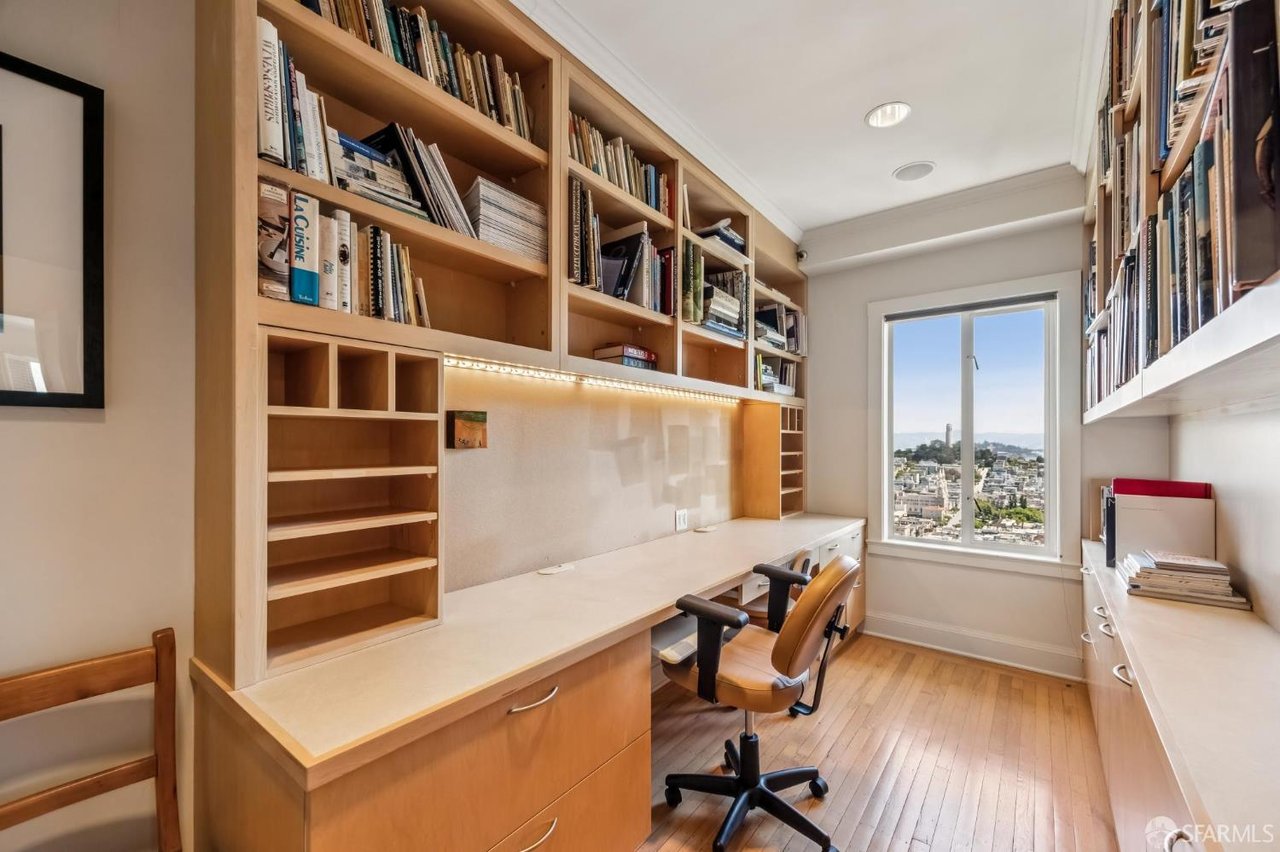
A: It remains a top priority. Even if you do not have a dedicated room, staging a quiet nook with a desk and good lighting shows buyers that the home can accommodate remote work.
Q: When is the best time to list a home in San Francisco?
A: Traditionally, spring has been the strongest season, but 2026 is expected to start earlier than usual. Buyers who paused during the holidays are already re-engaging, and well-prepared homes listed in January and February are finding strong demand.
Q: How do I know if my home needs professional staging?
A: Almost every home benefits from at least a consultation with a professional stager. Even if you keep your own furniture, a stager can advise on layout, decluttering, and small changes that make a significant difference in how the home photographs and shows.
https://maps.app.goo.gl/UZkPTPK2ehXMYFSb8
Created on 04-06-26
Stay up to date on the latest real estate trends.


You’ve got questions and we can’t wait to answer them.