Buying a Condo in San Francisco 2026: Essential Buyer's Guide
Real Estate
Real Estate
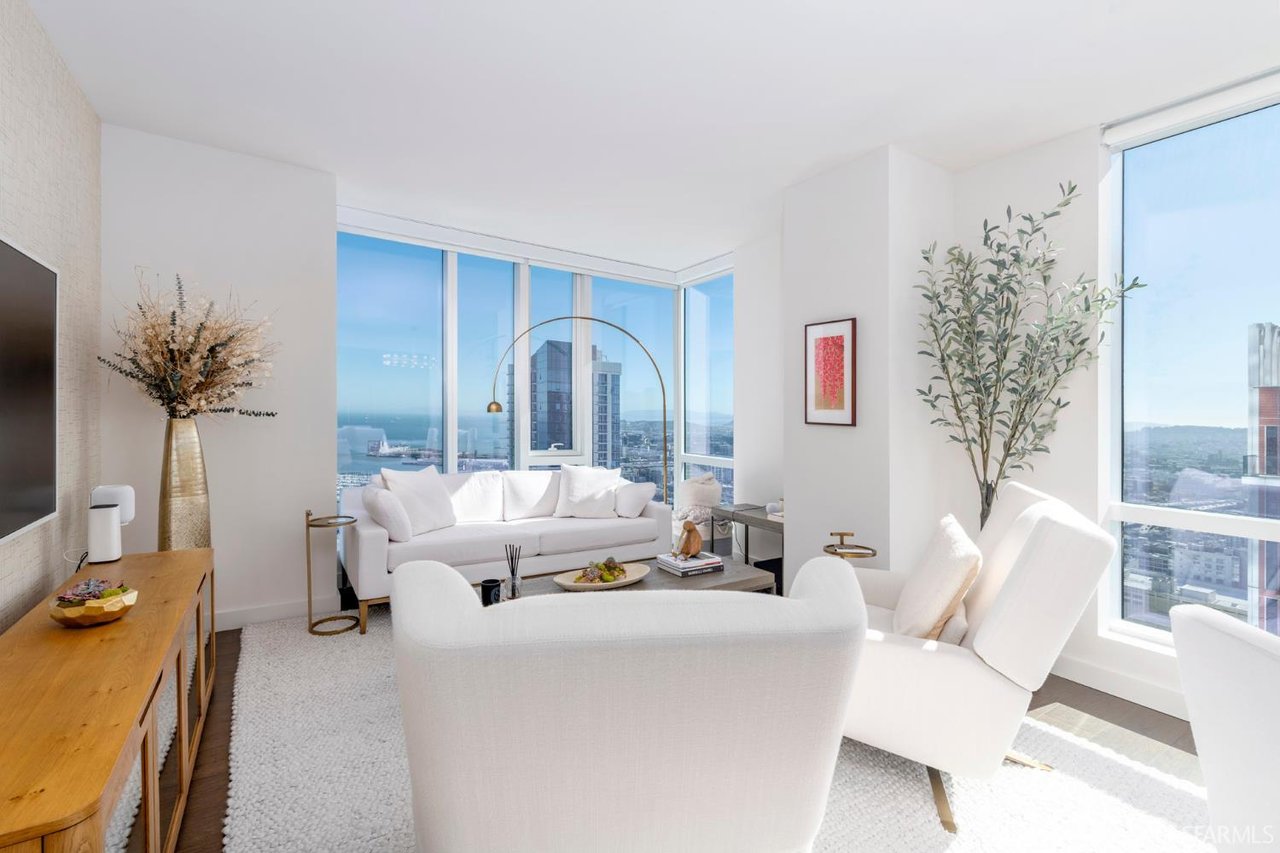
The San Francisco condo market is experiencing a transformation. With prices stabilizing and inventory improving, 2026 presents unique opportunities for buyers who know what to look for. Whether you're a first-time buyer or downsizing from a single-family home, understanding the key factors can help you make a confident decision in this evolving market.
Market Conditions: Condo prices have stabilized after years of correction, creating better value compared to single-family homes
HOA Fees Matter: Monthly fees can significantly impact affordability and should be carefully evaluated
Building Quality: Reserve funds, maintenance history, and building age are critical factors in long-term value
The San Francisco condo market has shifted dramatically from the pandemic years. While single-family homes have rebounded strongly, condos are experiencing a more gradual recovery. This creates opportunities for savvy buyers who understand what to look for.
According to recent market data, condo inventory has improved significantly compared to previous years. This means buyers have more options and better negotiating power than they've had in quite some time. Well-located condos in quality buildings are still moving quickly, but overpriced units are sitting on the market longer.
The AI boom has brought renewed energy to San Francisco, with tech professionals returning to the city and driving rental demand up 12% year over year. This strengthens the investment case for condos, particularly in neighborhoods close to major employers.
Homeowners Association fees are one of the most important considerations when buying a condo. These monthly fees can range from a few hundred dollars to over $1,000 depending on the building's amenities and age. Before making an offer, request detailed HOA documents to understand exactly what your fees cover.
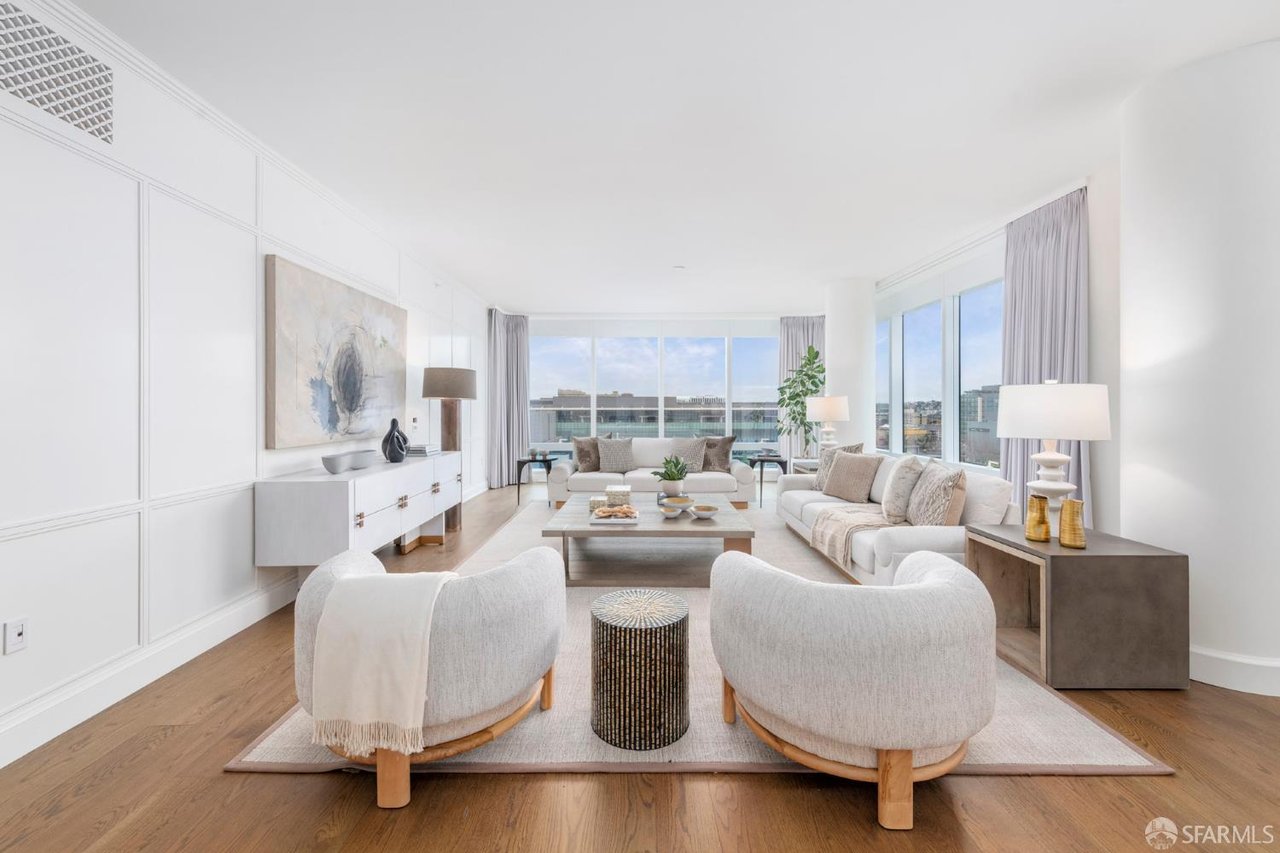
Quality HOA fees should include building insurance, common area maintenance, water and garbage service, and contributions to reserve funds. Some luxury buildings also cover utilities, concierge services, and fitness facilities. The key is ensuring the fees are reasonable for what you receive and that the building is financially healthy.
Rising HOA fees have contributed to downward pressure on some condo values. Buildings with deferred maintenance or inadequate reserves often face special assessments that can cost owners thousands of dollars. Always review the HOA's financial statements and meeting minutes before purchasing.
A well-managed building maintains healthy reserve funds for major repairs and improvements. Request the reserve study, which outlines planned maintenance and whether the building has adequate funds. Buildings with low reserves may face special assessments for roof repairs, elevator upgrades, or seismic retrofitting.
Look for buildings where at least 25% of the annual budget goes toward reserves. This indicates responsible financial planning and reduces the risk of unexpected costs. Buildings with recent major improvements like new roofs, updated elevators, or seismic upgrades often represent better long-term value.

Location remains the most important factor in real estate value. In San Francisco's condo market, proximity to transit, walkability, and neighborhood amenities significantly impact both enjoyment and resale value.
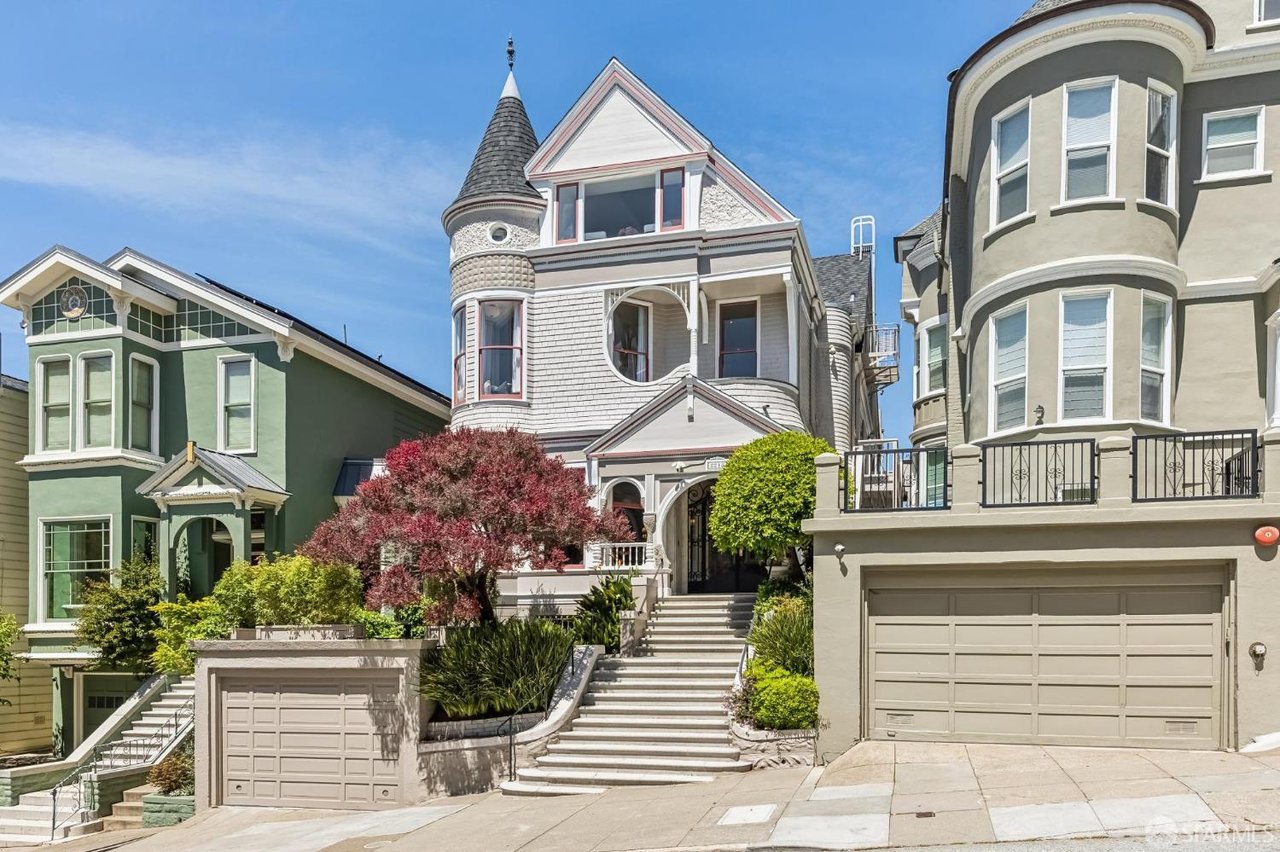
South Beach, SoMa, and Mission Bay offer modern buildings with excellent amenities and proximity to tech employers. These neighborhoods have seen strong rental demand and are well-positioned for the AI economy. Pacific Heights and Russian Hill provide classic San Francisco charm with stunning views, though prices remain premium.
The Sunset and Richmond districts offer more affordable options with good access to parks and beaches. These neighborhoods appeal to buyers seeking value and space, though they may have longer commutes to downtown employers.
Some buildings restrict rentals, which can impact your flexibility and resale value. If you might need to rent your unit in the future, verify the building allows it. Buildings with high rental percentages may face financing challenges, as some lenders limit loans in buildings where more than 50% of units are rented.
San Francisco's earthquake risk makes seismic safety crucial. Buildings constructed before modern codes may require retrofitting. Ask whether seismic upgrades have been completed and review any engineering reports. This information affects both safety and future costs.
Special assessments can add thousands to your costs. Review HOA meeting minutes for discussions about upcoming projects. Buildings planning major work may levy assessments that significantly impact your budget.
|
Factor |
Impact on Value |
What to Look For |
|
Building Age |
Newer buildings command premium prices |
Buildings under 15 years old with modern systems |
|
HOA Fee Ratio |
High fees relative to price reduce value |
Fees under $1 per square foot monthly |
|
Location |
Prime neighborhoods maintain value better |
Proximity to transit, parks, and employment |
|
Unit Size |
Larger units recovering faster |
Two bedrooms or more with flexible layouts |
Condo financing differs from single-family home loans. Lenders scrutinize the building's financial health, rental percentage, and legal status. Buildings with pending litigation or low reserves may not qualify for conventional financing.
FHA and VA loans have specific condo approval requirements. Not all buildings qualify, which can limit your buyer pool when you eventually sell. Verify the building's approval status with your lender early in the process.
Down payment requirements for condos are typically similar to single-family homes, though some lenders require higher percentages for buildings with concerns. Working with experienced San Francisco lenders who understand local condo markets can streamline the process.
San Francisco condos offer different investment characteristics than single-family homes. While houses have appreciated more strongly in recent years, condos provide lower entry costs and less maintenance responsibility.
Rental yields for condos can be attractive, especially in neighborhoods with strong tech employment. With median one-bedroom rents reaching $3,090 in late 2025, well-located condos can generate solid rental income. However, HOA fees reduce net returns compared to single-family rentals.
Long-term appreciation potential varies by neighborhood and building quality. Premium buildings in desirable locations tend to hold value better during downturns and recover faster during upswings.
Buying a condo in San Francisco requires careful evaluation of factors beyond the unit itself. Building financial health, HOA fees, location, and market conditions all play crucial roles in your long-term satisfaction and investment returns.
The current market favors buyers who do their homework. Take time to review HOA documents, inspect building maintenance, and understand neighborhood trends. Working with experienced local agents who know the condo market can help you identify quality opportunities and avoid potential problems.
San Francisco's condo market is evolving, and 2026 presents opportunities for buyers who approach the process strategically. With the right research and guidance, you can find a home that meets your needs and maintains its value for years to come.
Q: Are San Francisco condo prices expected to rise or fall in 2026?
A: Condos are stabilizing after several years of correction. Well-located units in quality buildings should see modest appreciation, while overpriced or poorly maintained buildings may continue to adjust downward.
Q: How much should I budget for HOA fees?
A: HOA fees in San Francisco typically range from $400 to $1,200 monthly depending on building amenities and age. Always factor these into your total housing cost when determining affordability.
Q: What neighborhoods offer the best value for condo buyers?
A: The Sunset, Richmond, and parts of the Mission offer better value than premium neighborhoods like Pacific Heights. South Beach and Mission Bay provide modern amenities at mid-range prices.
Q: Should I be concerned about buildings with high rental percentages?
A: Yes. Buildings where more than 50% of units are rented may face financing restrictions and can be harder to sell. They may also have different community dynamics than owner-occupied buildings.
Q: How important are building amenities?
A: Amenities add value but also increase HOA fees. Prioritize amenities you'll actually use. Gyms, parking, and outdoor space typically provide the best return on investment.
Q: Is now a good time to buy a condo in San Francisco?
A: 2026 offers opportunities for informed buyers. Improved inventory and stabilized prices create better conditions than the competitive market of recent years. Focus on quality buildings in strong locations.
https://maps.app.goo.gl/5YfwaJTiSKwvcZZD6
Created On 2-9-26
Stay up to date on the latest real estate trends.
You’ve got questions and we can’t wait to answer them.