Emerging San Francisco Neighborhoods Smart Buyers Are Watching (2026)
San Francisco has always been a city of micro markets. In 2026, that matters more than ever. Some neighborhoods are back in full competition, while others are quietly improving with better retail, safer streets, stronger transit access, and new housing and commercial investment. For buyers, the opportunity is not just finding a “cheaper” neighborhood. It is finding the next neighborhood that more people will want to live in a year or two from now.
This guide highlights emerging San Francisco neighborhoods that informed buyers are watching closely, plus the practical signals that help you separate real momentum from short-term hype.
In San Francisco, an “emerging” neighborhood usually has a few things happening at once. You see steady buyer demand, improving street-level activity, and new investment that is actually delivering, not just planned. You also see a spread between today’s pricing and what buyers are already paying nearby for similar lifestyle and commute benefits.
A smart approach is to focus on neighborhoods where you can still buy well, but where quality of life and resale prospects are trending up.
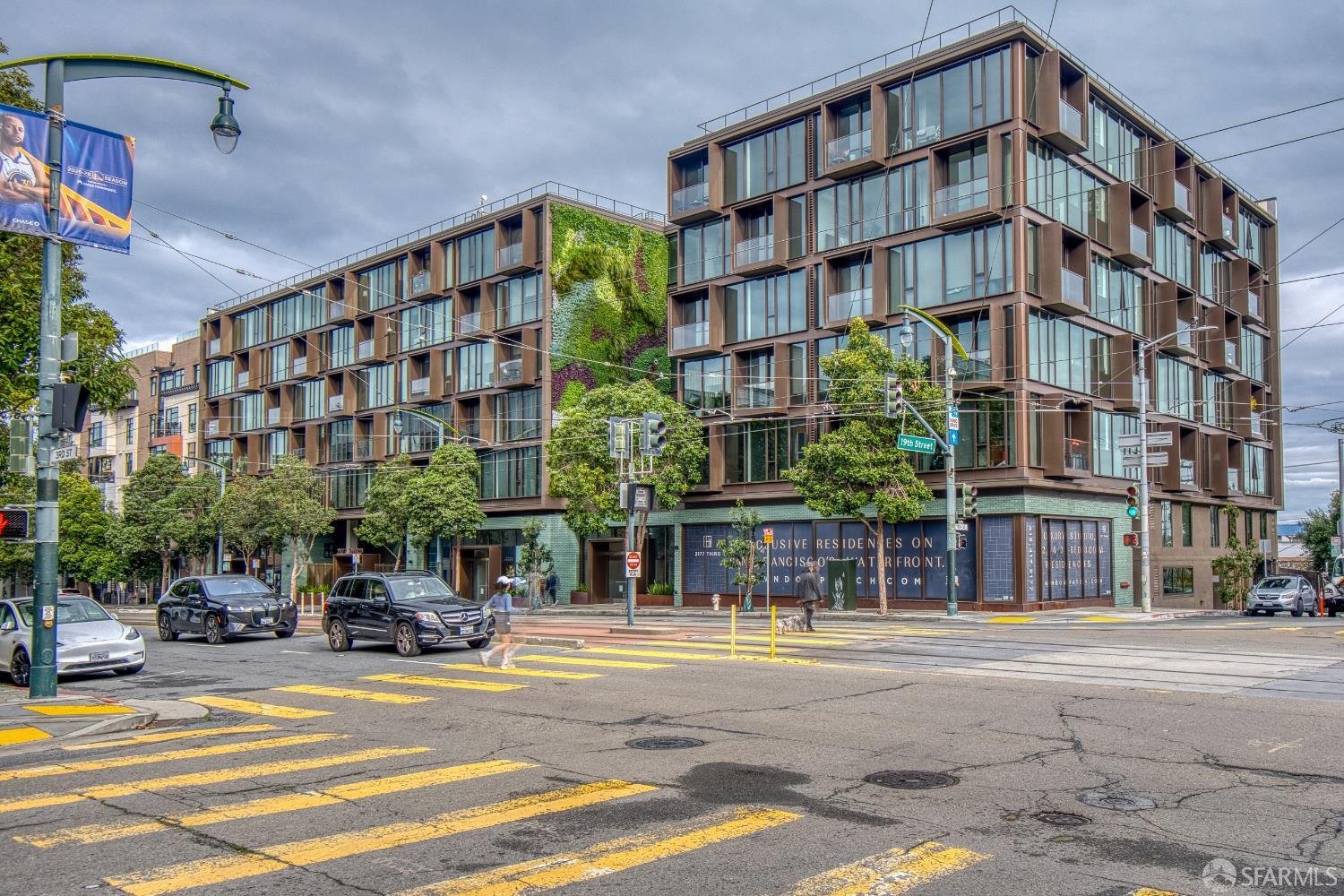
Dogpatch continues to mature into one of the city’s most livable, design-forward neighborhoods. Buyers like the mix of newer condos, modern townhomes, and renovated industrial spaces, plus the walkability along 3rd Street and easy access to the waterfront.
What to watch here is how the immediate block feels at different times of day, especially around busier corridors. The neighborhood’s value tends to concentrate near the best retail clusters and along quieter residential pockets. For condo buyers, building quality and HOA strength matter because inventory includes a range of construction eras.
Best fit for: buyers who want a clean, modern feel with a calmer pace than SoMa, plus strong access to the Central Waterfront.
Potrero Hill has long been desirable, but it is still a neighborhood many buyers “rediscover” when they compare prices, views, and commute times across the city. In 2026, the appeal is the combination of residential calm, sunny microclimate, and strong access to Mission Bay and downtown.
The upside for buyers is that Potrero can feel like a step up in lifestyle without the same premium as certain north side neighborhoods. The key is to be realistic about slopes, parking, and whether a home’s layout actually works for day-to-day living.
Best fit for: buyers who want a neighborhood feel, views, and access to the city’s job centers without sacrificing quiet.
Excelsior is on more shortlists in 2026 because it often offers more space for the money, and because parts of the neighborhood provide strong access to BART, I 280, and everyday conveniences. You also see more thoughtful renovations and more buyers who plan to stay and improve a home over time.
Like many value neighborhoods, block selection is everything. Smart buyers walk the area, check commute routes, and look closely at the immediate surroundings rather than relying on the neighborhood name alone.
Best fit for: buyers prioritizing space, practicality, and long-term ownership, especially if they want a single-family home at a more accessible price point.
Bayview is one of the city’s most discussed neighborhoods because it has both real opportunity and real variability. In 2026, buyers are watching it for larger homes, development pockets, and improving access to the waterfront and major commuter routes.
The smartest buyers are specific about where they are buying. They focus on the feel of the street, proximity to transit, and signs of consistent investment such as renovated homes, active retail corridors, and well-maintained public spaces. It is also important to understand insurance, property condition, and renovation budgets if you are buying an older property.
Best fit for: buyers comfortable doing deeper due diligence who want size, upside potential, and a longer time horizon.
Outer Sunset and Parkside are not “new,” but certain pockets are gaining attention as buyers prioritize lifestyle, outdoor access, and more space. In 2026, more buyers are willing to trade a shorter downtown commute for a home that feels calmer, with easy access to the beach, Golden Gate Park, and local cafes.
The key is balancing fog patterns, transit access, and daily convenience. Well-planned renovations and strong layouts tend to command a premium, especially homes with good natural light and functional outdoor space.
Best fit for: buyers who value space and lifestyle, and who want a steady, long-term neighborhood.
Instead of trying to time the market perfectly, focus on signals that tend to matter in San Francisco.
Street-level energy and retail quality matter because it affects daily life and resale demand. Look for corridors where new businesses are opening and staying open, and where sidewalks feel active and comfortable.
Transit and commute reliability matter because buyers value predictability. Even a few minutes saved each day can shift demand across neighborhoods.
Housing stock and renovation quality matter because some neighborhoods have a wide mix of property types and construction eras. A good layout and a well-executed renovation often outperform a “better” neighborhood with a compromised home.
Buyer pool depth matters because it drives resale. Neighborhoods that appeal to both end users and long-term investors tend to be more resilient across cycles.
In emerging neighborhoods, pricing can be uneven. Some sellers price based on hope, others price based on recent comps. To buy well, you need to compare like for like.
Pay close attention to:
HOA financials and reserves for condos and townhomes
Parking, storage, and outdoor space, especially if comparable listings lack them
Layout functionality, not just square footage
Noise and traffic patterns on the specific block
Renovation permits and quality of workmanship
These details can change your experience of a home, and they can also change resale value.
Emerging neighborhoods are where informed buyers can still find opportunity in 2026, but the strategy is simple. Focus on location within the neighborhood, property fundamentals, and real signals of improvement you can see on the ground. When you do that, you are not just buying a home. You are buying into the direction the neighborhood is heading.
Q: Are emerging neighborhoods riskier to buy in?
A: They can be, but “risk” often comes from poor block selection or weak property fundamentals. A strong property in an improving area can be a smart long-term move.
Q: Is it better to buy the cheapest home in an emerging neighborhood?
A: Not always. In San Francisco, buyers often pay for layout, light, parking, and overall condition. A home that lives well usually holds value better.
Q: How long should I plan to stay if I buy in an emerging neighborhood?
A: In most cases, a longer time horizon helps. Many buyers plan for at least five to seven years to allow neighborhood improvement and market cycles to play out.
Q: Should I prioritize neighborhood trend or building quality for a condo?
A: Building quality usually comes first. A well-managed building with healthy reserves and reasonable HOA dues tends to protect you better in any market.
https://maps.app.goo.gl/5YfwaJTiSKwvcZZD6
Created on 03-09-26
Stay up to date on the latest real estate trends.
You’ve got questions and we can’t wait to answer them.