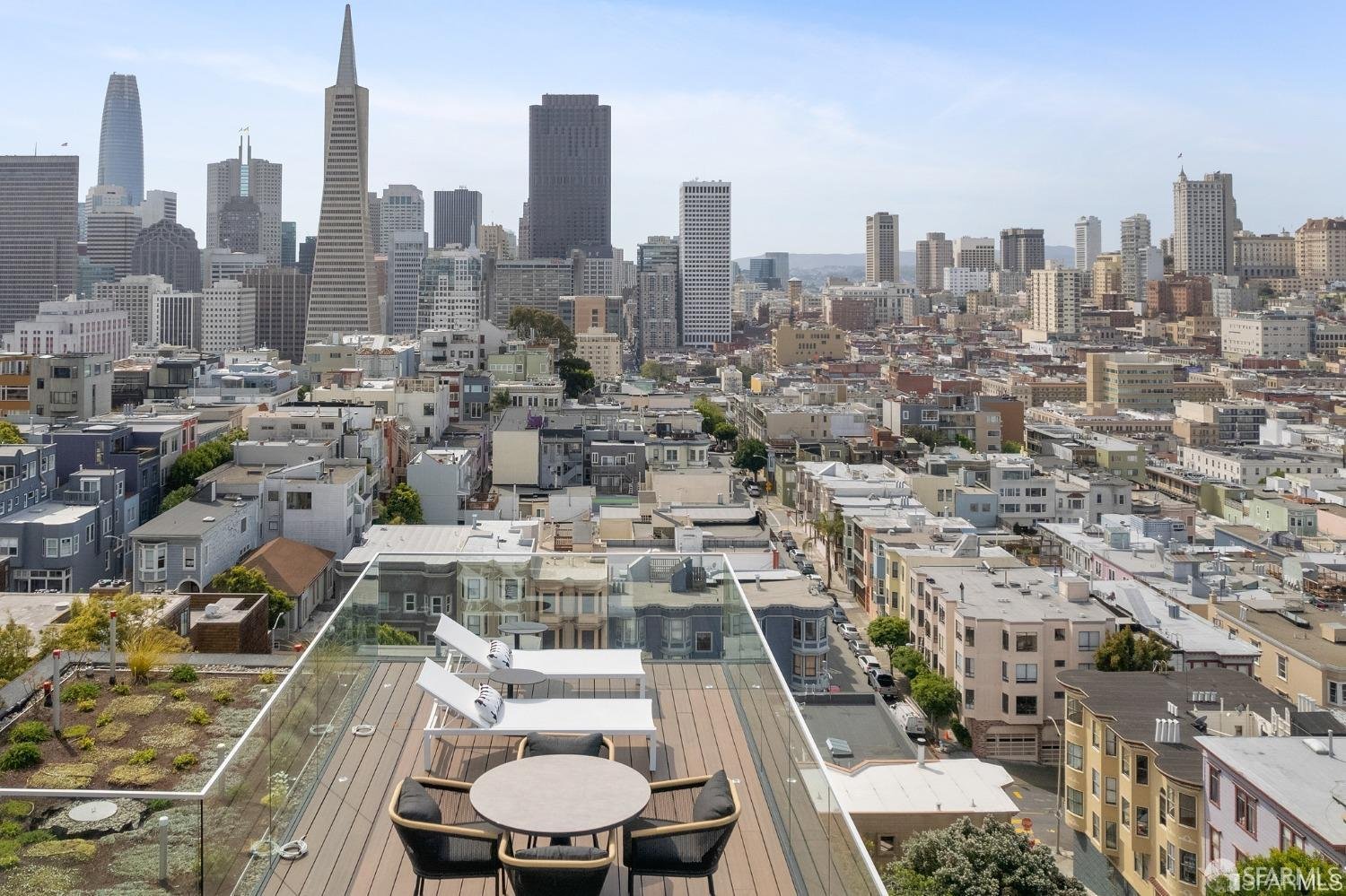
San Francisco Real Estate: Neighborhood Impact of the 2026 AI Boom
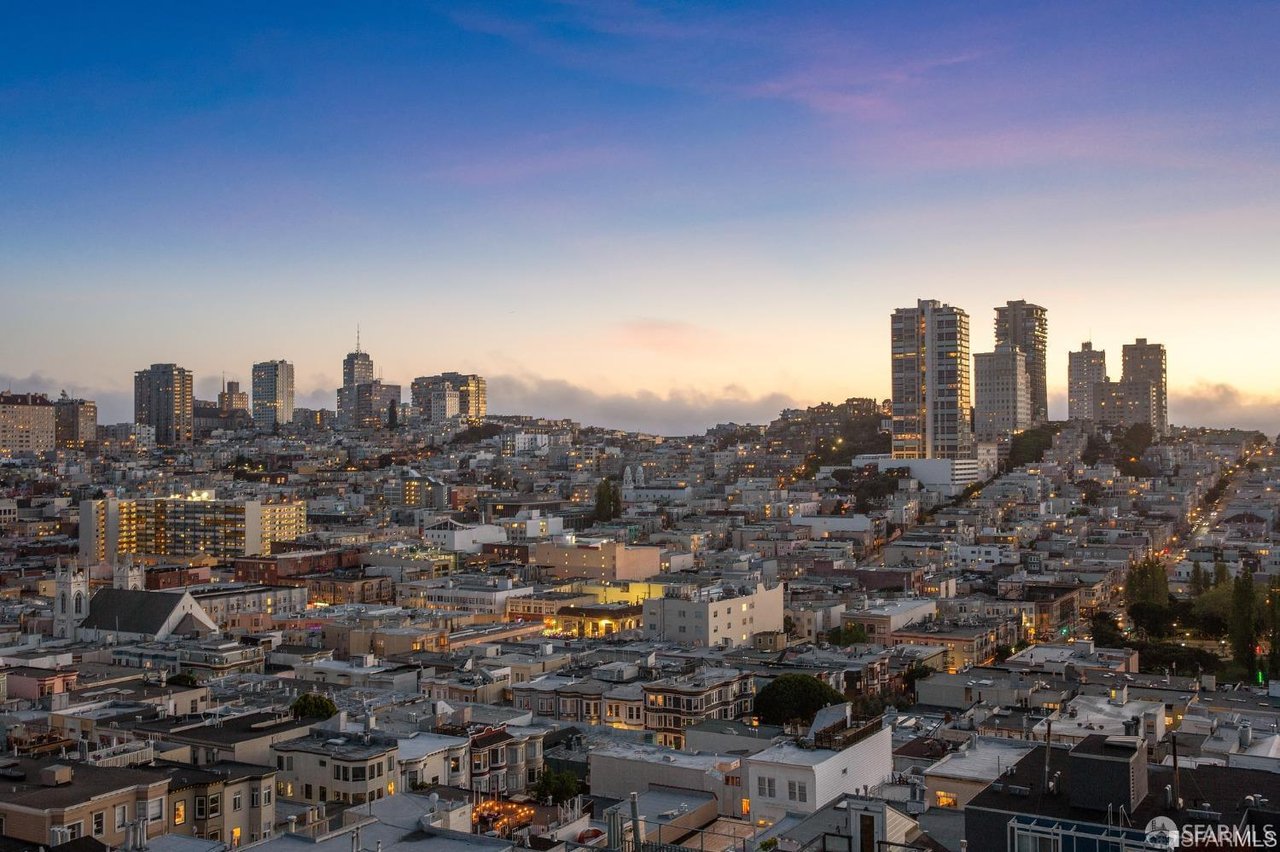
San Francisco’s real estate market is evolving quickly, and the AI boom is at the center of that transformation. While headlines often focus on a general market comeback, what we are seeing on the ground is more nuanced. Demand is not rising evenly across the city. Instead, it is concentrating in specific neighborhoods and property types, creating very different opportunities depending on where you are buying or selling.
If you are planning a move in 2026, understanding how the AI boom is influencing San Francisco real estate at the neighborhood level can help you make smarter, more strategic decisions.
AI-driven demand is strongest in neighborhoods close to major tech hubs like SoMa and Mission Bay
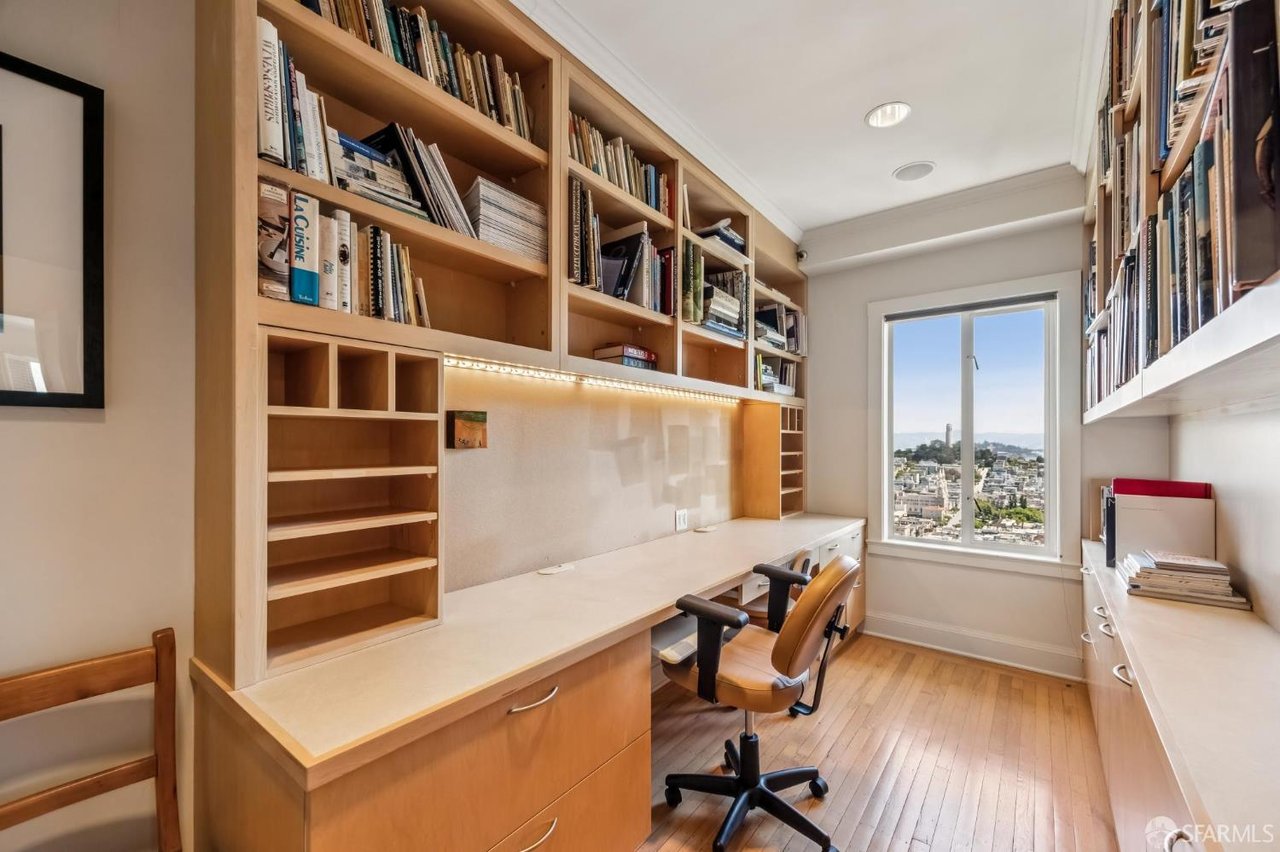
Buyers are prioritizing homes with office space, strong internet infrastructure, and flexible layouts
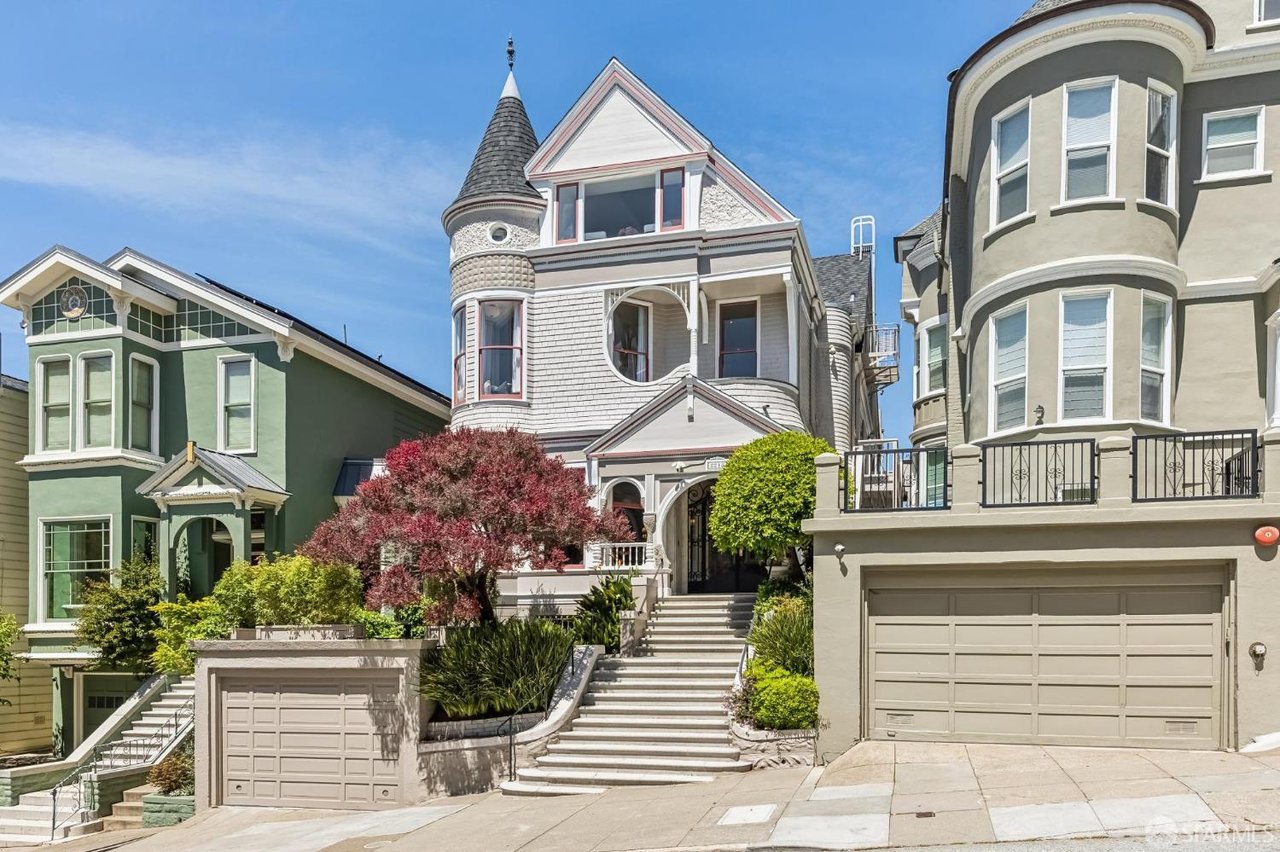
Luxury demand is rising in neighborhoods like Pacific Heights and Russian Hill
Office to residential conversions are creating new housing opportunities downtown
Pricing pressure is expanding beyond luxury into mid-market and entry-level segments
The impact of the AI boom is not evenly distributed. Some neighborhoods are seeing rapid acceleration, while others are benefiting more gradually.
SoMa and Mission Bay remain the epicenter of AI-driven growth. Proximity to major employers, access to transit, and modern building stock make these neighborhoods especially attractive.
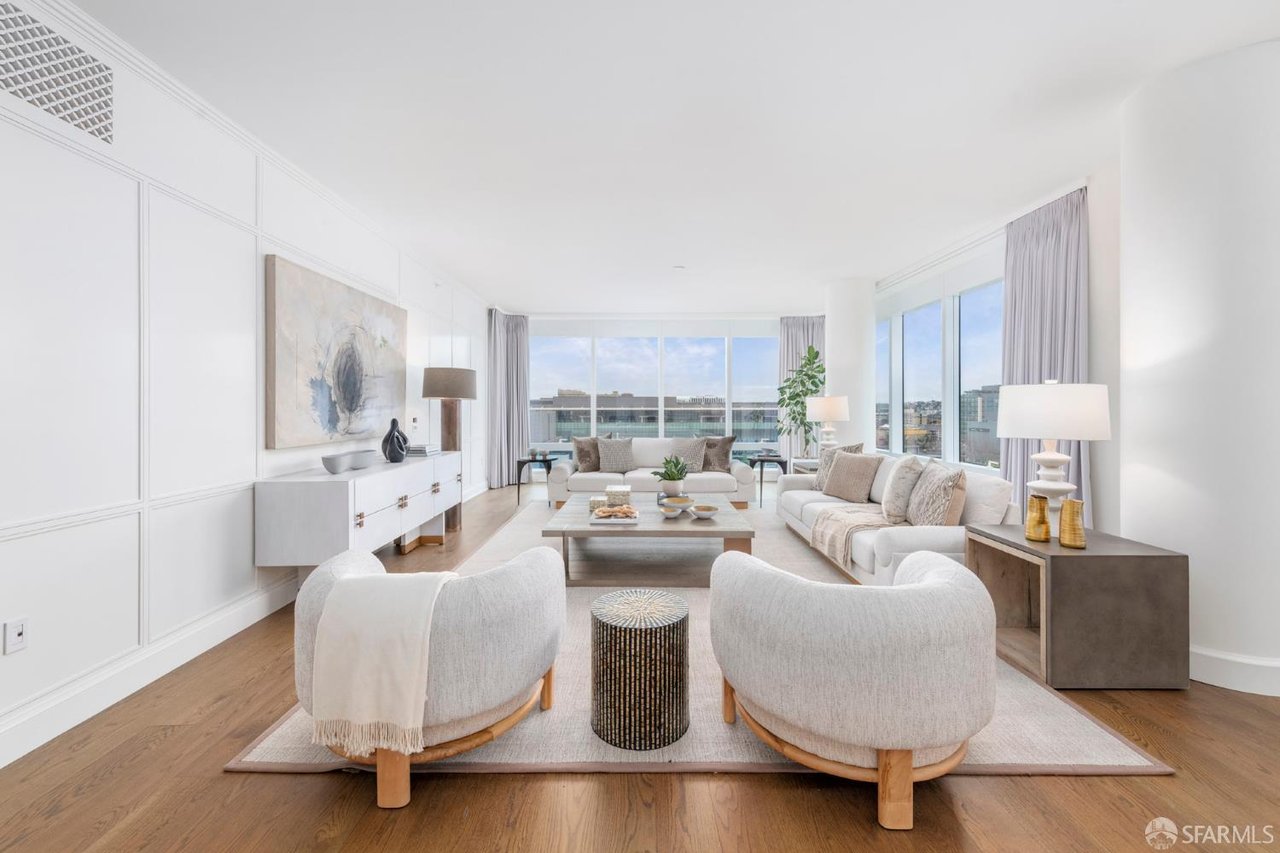
Buyers here are focused on newer condos and lofts that support a work-from-home lifestyle. Features like high-speed internet, open layouts, and dedicated office space are no longer optional. They are expected.
For sellers in these neighborhoods, positioning your property around functionality and lifestyle is key. Homes that feel turnkey and tech-ready are commanding premium prices.
As demand intensifies in SoMa and Mission Bay, buyers are expanding into nearby neighborhoods like the Mission and Potrero Hill.
These areas offer more space, a stronger sense of community, and easier access to outdoor amenities while still being connected to the city’s tech core. Single-family homes and larger condos with outdoor space are especially appealing here.
This is where we are seeing strong competition from buyers who want both convenience and character.
Higher-level AI professionals and early employees are increasingly targeting established luxury neighborhoods like Pacific Heights and Russian Hill.
These buyers are often making decisive, well-financed offers and prioritizing long-term value. Views, architectural detail, and privacy matter more than proximity alone at this level.
For sellers, presentation and pricing strategy are critical. Well-positioned homes in these neighborhoods are still commanding top-of-the-market results.
Office-to-residential conversions are reshaping parts of downtown San Francisco. This is creating new inventory in areas that were previously dominated by commercial space.
For buyers, this presents an opportunity to access modern housing with strong amenities in central locations. At the same time, these neighborhoods are still evolving, so lifestyle considerations like walkability, retail, and daily convenience should be part of your decision.
|
Neighborhood |
AI Impact Level |
Primary Demand Driver |
Price Trend |
|
SoMa |
Very High |
Office proximity, modern amenities |
Strong upward |
|
Mission Bay |
Very High |
New construction, tech ecosystem |
Strong upward |
|
The Mission |
High |
Space, culture, accessibility |
Upward |
|
Potrero Hill |
High |
Residential feel, good access |
Upward |
|
Pacific Heights |
Moderate |
Luxury, prestige |
Stable to up |
|
Financial District |
Moderate |
Office conversions |
Variable |
|
Outer Neighborhoods |
Low |
Spillover demand |
Stable |
The AI boom is not just increasing demand. It is changing what buyers value in a home.
Buyers are consistently prioritizing spaces that support both work and daily life. Homes with flexible layouts, natural light, and quiet environments for video calls are in high demand.
Technology readiness is another major factor. Reliable high-speed internet, updated electrical systems, and smart home features are becoming standard expectations rather than upgrades.
There is also a clear shift toward lifestyle-driven decisions. Walkability, access to restaurants and cafes, and proximity to community hubs all play a role in where buyers choose to live.
The influence of AI is extending across all price points in San Francisco real estate.
At the luxury level, demand is being driven by buyers with significant liquidity. This is leading to faster sales and strong competition for premium properties.
In the mid-market, increased competition is coming from buyers who are moving up or entering the market with strong incomes. Well-located homes with functional layouts are seeing the most pressure.
At the entry level, affordability remains a challenge. However, new inventory from downtown conversions and shifting demand patterns are creating opportunities for buyers who are flexible on location.
If you are buying in San Francisco right now, strategy matters more than ever.
In high-demand neighborhoods, preparation is key. Having financing in place and being ready to act quickly can make the difference in a competitive situation.
You may also want to look just outside the most competitive areas. Neighborhoods adjacent to major AI hubs often offer better value while still benefiting from long-term growth.
Think beyond today and consider how a property will perform over time. Homes with flexible layouts and strong infrastructure will continue to appeal to a wide range of buyers.
For sellers, the AI boom creates a real opportunity to stand out, but success depends on how you position your home.
Highlight features that matter to today’s buyers. Dedicated office space, natural light, and modern systems should be front and center in your marketing.
Staging should reflect how people actually live and work today. Showing a space that functions as both a home and a workspace can significantly increase buyer interest.
Pricing also needs to reflect current market dynamics. In high-demand areas, the right pricing strategy can generate strong competition and drive better results.
The AI boom is not just driving a market recovery. It is reshaping how people live, work, and buy homes across San Francisco.
The biggest opportunities right now come from understanding where demand is strongest and how buyer preferences are evolving. Whether you are buying or selling, a neighborhood-specific strategy will put you in the best position to succeed.
At City Real Estate, we help you navigate these changes with a clear understanding of both the big picture trends and the details that matter at the neighborhood level. If you are thinking about making a move in 2026, we are here to help you make informed, confident decisions.
Curious how the AI boom is impacting your home or your buying strategy? Contact City Real Estate for a personalized market analysis tailored to your neighborhood.
Q: Is the AI boom sustainable for San Francisco real estate?
A: While no boom lasts forever, AI represents a fundamental technology shift rather than a speculative bubble. The infrastructure, talent, and capital concentration in San Francisco suggest sustained demand, though growth rates may moderate over time.
Q: Should I buy in an AI-heavy neighborhood if I do not work in tech?
A: These neighborhoods can offer good long-term value due to sustained demand, but consider whether the lifestyle and price points work for your situation. AI-driven areas tend to be more expensive and may have different neighborhood character.
Q: Are office-to-residential conversions a good investment?
A: They can be, but require careful evaluation. Consider the building quality, neighborhood development, and your comfort with living in an area that is still establishing its residential identity.
Q: How do I compete with AI buyers who have cash?
A: Focus on properties that may be less appealing to AI buyers, such as those requiring renovation or in neighborhoods with longer commutes. Also, work with your agent to craft competitive offers that stand out in other ways.
Q: Will the AI boom price out non-tech buyers from San Francisco?
A: The AI boom is creating pressure across price segments, but San Francisco remains a diverse city with housing options at different levels. The key is understanding which neighborhoods and property types align with your budget and needs.
Q: What neighborhoods should I watch for future AI impact?
A: Areas with good transit access to current AI hubs, neighborhoods adjacent to Mission Bay and SoMa, and districts that are seeing early signs of tech worker interest are worth monitoring.
https://maps.app.goo.gl/8AC8iQdwAmV5m14Y9
Created on 05-04-26
Stay up to date on the latest real estate trends.
You’ve got questions and we can’t wait to answer them.