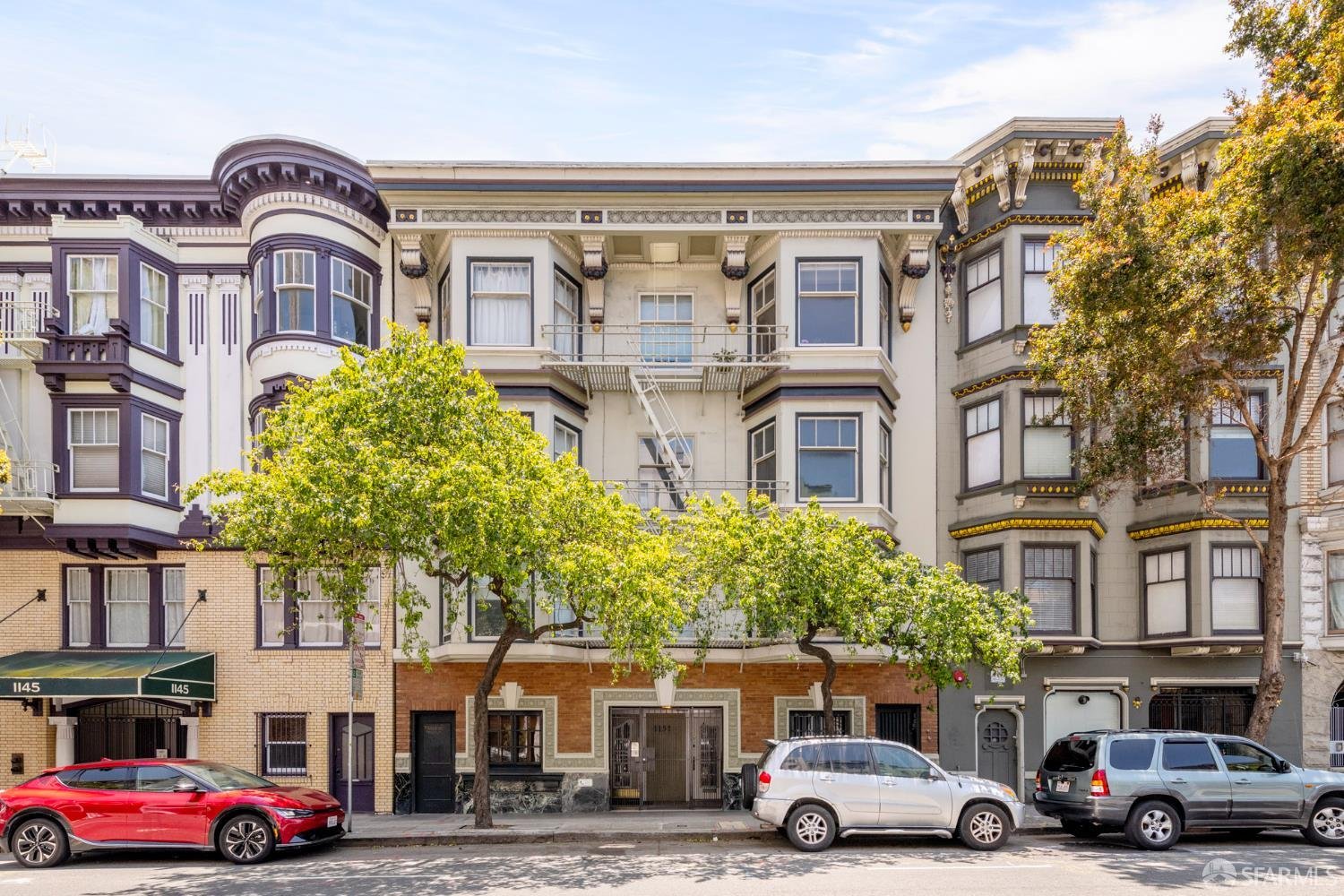
Buying a San Francisco Victorian: What Every Buyer Should Know Before Making an Offer
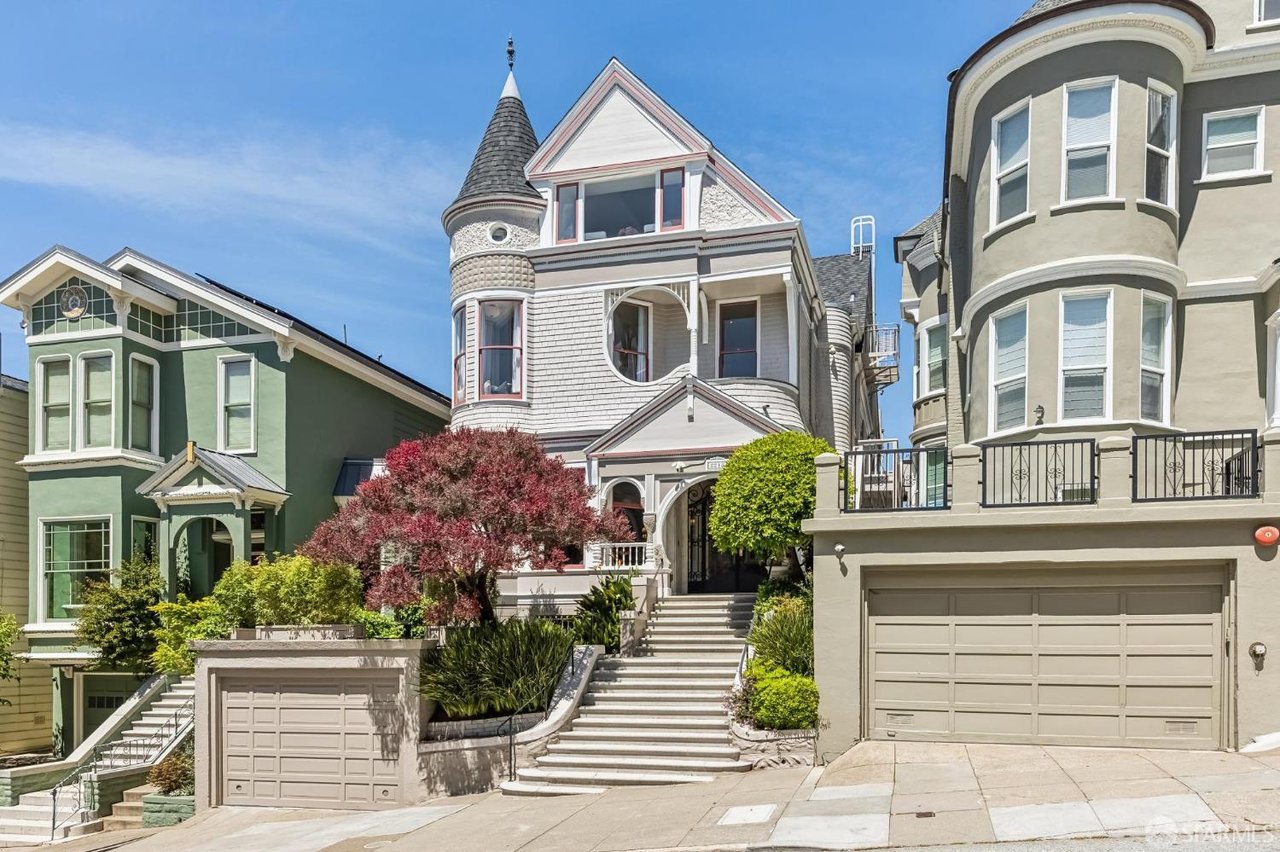
San Francisco is known for its iconic Victorian homes. From colorful Painted Ladies to elegant historic row houses, these properties remain some of the most sought-after homes in the city. Their architecture, craftsmanship, and character offer something modern construction rarely replicates.
But buying a Victorian is different from buying a newer property. Older construction, historic district regulations, maintenance expectations, permit history, and long-term upkeep can all affect your ownership experience and future resale value.
For buyers, understanding these realities before making an offer is essential. The goal is not to avoid Victorian homes. It is to approach them with the right expectations, the right due diligence, and the right local guidance.
At City Real Estate, we help buyers navigate San Francisco’s most unique and complex properties every day. This guide covers what buyers should know before purchasing a Victorian home, including maintenance considerations, historic regulations, inspections, permits, and long-term investment factors.
Buying a Victorian home involves different considerations than purchasing modern construction.
Historic district rules and permit history can impact future renovations and resale.
Older systems such as plumbing, electrical, and foundations should be carefully evaluated before closing.
Maintenance costs are typically higher than newer homes, especially for exterior upkeep.
Buyers who understand ownership expectations upfront tend to have the best long-term experience with Victorian properties.
Most San Francisco Victorian homes were built between the late 1800s and early 1900s. While their craftsmanship is part of their appeal, many also contain original or aging systems that require closer evaluation during the buying process.
Common features include:
Original wood framing
Plaster walls
Older foundations
Single-pane windows
Aging plumbing systems
Outdated electrical work in some homes
None of these automatically make a property a bad investment. In fact, many Victorian homes are exceptionally well-maintained. However, buyers should understand that ownership often comes with ongoing maintenance responsibilities and occasional specialized repairs.
This is why inspections, permit review, and neighborhood-specific knowledge matter so much when purchasing a historic home.
One of the most important things to review when buying a Victorian is the property’s permit history. Older homes often go through decades of renovations, additions, and system upgrades, and not all work may have been properly permitted.
Unpermitted work can create issues during financing, insurance underwriting, or future resale. In some cases, buyers may inherit the responsibility of correcting or legalizing prior work.
Before closing, buyers should evaluate:
Past remodel permits
Structural or foundation work
Electrical and plumbing upgrades
Additions or ADUs
Window replacements or exterior alterations
A knowledgeable local agent can help identify red flags early in the process.
In earthquake-prone San Francisco, foundation condition matters. Many Victorian homes have undergone seismic retrofitting, while others may still require upgrades.
Buyers should understand:
Whether seismic work has already been completed
The age and condition of the foundation
Whether there are signs of settling or movement
If any mandatory retrofit requirements apply
These factors can significantly affect future ownership costs.
Some Victorian homes are located within designated historic districts or may have landmark status. This can affect what future owners are allowed to change, particularly on visible exterior elements.
Neighborhoods with notable historic oversight may include:
Alamo Square
Haight-Ashbury
Duboce Triangle
Parts of the Castro and Mission
Historic designation is not necessarily negative. In many cases, it helps preserve neighborhood character and long-term property value. However, buyers should understand how these rules could affect future plans before purchasing.
Victorian homes are known for their detailed facades, decorative trim, and woodwork. These features contribute heavily to curb appeal, but they also require ongoing maintenance.
Exterior upkeep may include:
Regular painting
Wood repair
Roof maintenance
Window restoration
Drainage and moisture management
Maintenance costs are often higher than newer homes simply because of the architectural complexity involved.
A Victorian home inspection should go beyond a standard walkthrough. Buyers should work with inspectors familiar with historic properties and ask targeted questions such as:
Has the electrical system been fully updated?
Are there signs of foundation movement?
When were the plumbing systems replaced?
Are there drainage or moisture concerns?
Has previous work been permitted?
Are there any deferred maintenance issues?
Does the property fall within a historic district?
The answers can help buyers better estimate long-term ownership costs and avoid surprises after closing.
Victorian homes remain highly desirable in San Francisco because of their rarity, architectural identity, and location within established neighborhoods. Well-maintained historic homes often hold strong buyer demand over time.
However, long-term value is closely tied to:
Maintenance history
Permit compliance
Structural condition
Preservation of original character
Quality of previous renovations
Buyers who properly evaluate these areas upfront are usually in a much stronger position when it comes time to refinance or resell.
Buying a Victorian home requires more than simply liking the architecture. Buyers benefit from working with agents who understand:
Historic district considerations
Common inspection issues
Permit review
Neighborhood-specific market trends
Long-term resale implications
At City Real Estate, we help buyers evaluate the full picture before making a purchase decision. From reviewing disclosures to understanding ownership expectations, our goal is to help clients move forward with clarity and confidence.
Victorian homes are some of San Francisco’s most iconic properties, offering history, character, and long-term appeal that newer homes often cannot replicate. But they also come with unique ownership considerations that buyers should understand before making an offer.
The most successful Victorian buyers are not simply drawn to the aesthetics. They also understand the importance of inspections, permit history, maintenance planning, and neighborhood regulations.
With the right preparation and the right local guidance, owning a San Francisco Victorian can be both a rewarding lifestyle choice and a strong long-term investment.
Q: Do all San Francisco Victorian homes have historic restrictions?
A: No. Some homes are located within historic districts or have landmark status, while others do not. Buyers should verify a property’s status before purchasing.
Q: Are Victorian homes more expensive to maintain?
A: Generally, yes. Exterior upkeep, older systems, and specialized repairs can increase maintenance costs compared to newer construction.
Q: Should buyers be concerned about unpermitted work?
A: Yes. Unpermitted work can create financing, insurance, and resale complications. Reviewing permit history is an important part of due diligence.
Q: Is a Victorian home a good investment?
A: Many Victorian homes hold strong long-term value because of their architecture, location, and limited inventory. However, buyers should carefully evaluate condition and maintenance history before purchasing.
Q: What should buyers look for during inspections?
A: Key areas include foundation condition, plumbing, electrical systems, roof condition, drainage, moisture issues, and permit history.
Q: Why work with an agent experienced in Victorian homes?
A: Historic homes involve unique considerations that may not apply to newer properties. An experienced local agent can help buyers identify risks, evaluate disclosures, and better understand long-term ownership expectations.
https://maps.app.goo.gl/ZkWDW3aEXFFPzJpG8
Created on 06-08-26
Stay up to date on the latest real estate trends.


You’ve got questions and we can’t wait to answer them.